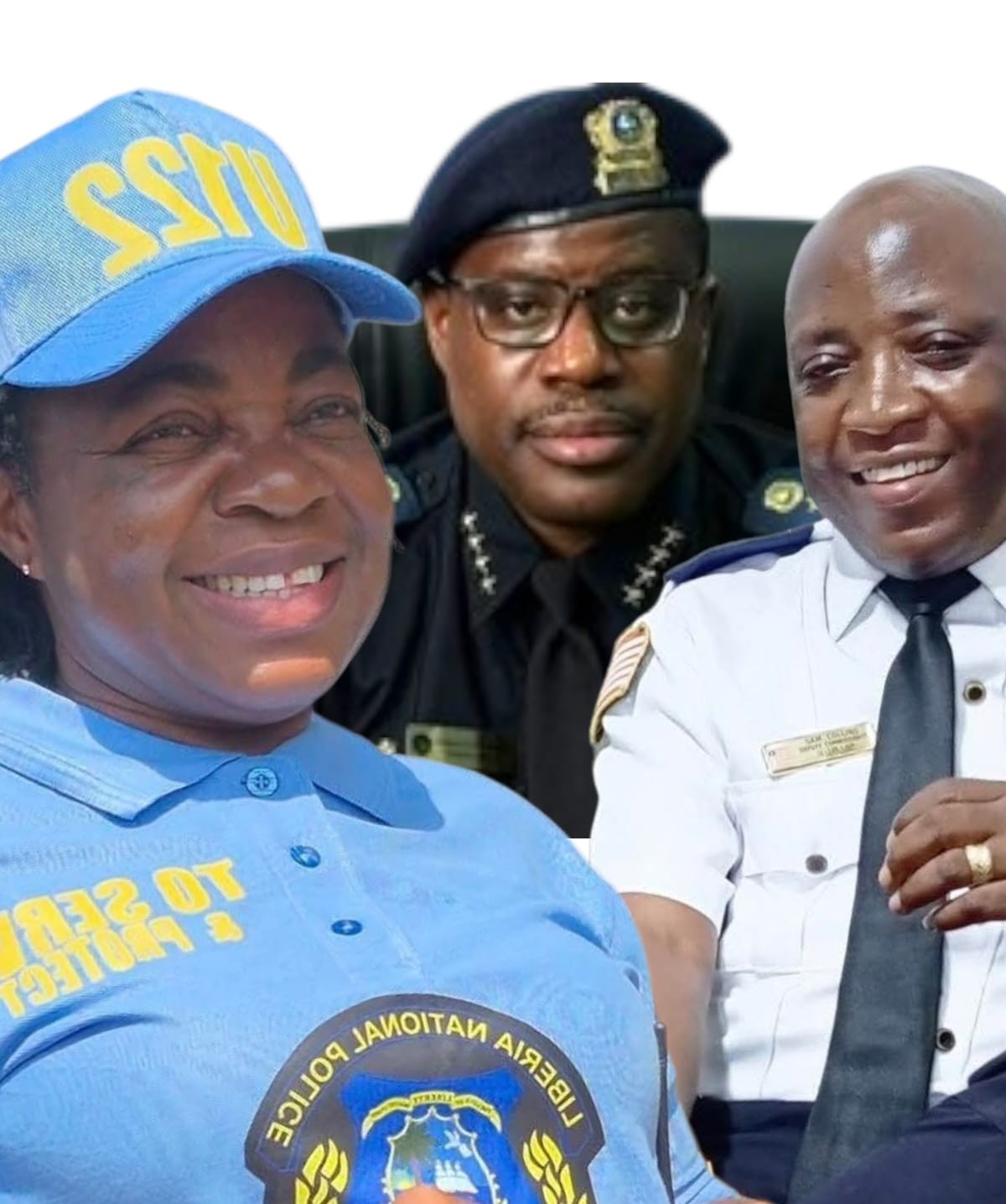
Monrovia — In a move that has reignited debate about gender, power, and institutional culture within Liberia’s security sector, Cecelia G. Clarke has resigned as spokesperson of the Liberia National Police (LNP), citing discrimination, limited support, and structural barriers that undermined her work.
Clarke’s resignation comes just a day after the police administration reassigned her from her position as Head of the Press and Public Affairs Division to the Protocol Division, a decision communicated to her in a letter dated February 17, 2026. The administration said the move was due to the end of her tour of duty in the spokesperson role.
The Protocol Division is currently headed by Sam Collins, who reports indicate is expected to assume leadership of the Press and Public Affairs Division following Clarke’s departure.
Under the reassignment notice, Clarke was instructed to turn over all working materials and report to her immediate supervisor for briefing and resumption of duty. However, instead of accepting the new post, Clarke chose to resign.
In her resignation letter dated February 18, Clarke said her decision followed “careful reflection on a range of professional and administrative challenges” encountered during nearly two years as the public face of the police.
She pointed specifically to persistent workplace discrimination, operational constraints, limited institutional backing, and structural impediments that affected the effective functioning of her office. Clarke also referenced challenges in team collaboration, painting a picture of an environment that made it increasingly difficult for her to perform her duties.
Importantly, Clarke framed her resignation within a broader gender context. As one of the few women to occupy such a highly visible leadership position within the Liberia National Police, she noted that her tenure came with added pressure and expectations.
“Serving as spokesperson was a privilege,” she wrote, adding that she carried out her responsibilities with integrity and professionalism despite the challenges. “Recent developments have made it clear that resigning from my position is in the best interest of both myself and the institution.”
Her departure has resonated beyond the police hierarchy, with observers viewing it as a rare and public act of protest by a senior female officer against what she described as unfair and exclusionary practices within a male-dominated institution.
Clarke expressed gratitude to colleagues, partners, and members of the public who supported her work, while also using the moment to call for reform. She urged the police to strengthen systems that promote fairness, inclusion, professionalism, and a healthy workplace, regardless of gender, experience, or background.
Despite stepping down, Clarke said she remains committed to ensuring a smooth transition and wished the Liberia National Police success in fulfilling its constitutional mandate to serve and protect the public.
Her resignation now places renewed scrutiny on leadership practices within the LNP and raises broader questions about how women in senior security roles are treated — and whether institutions are prepared to confront the gendered power dynamics such resignations expose.
By: Brandalyn KY Wollard
Leave a Reply