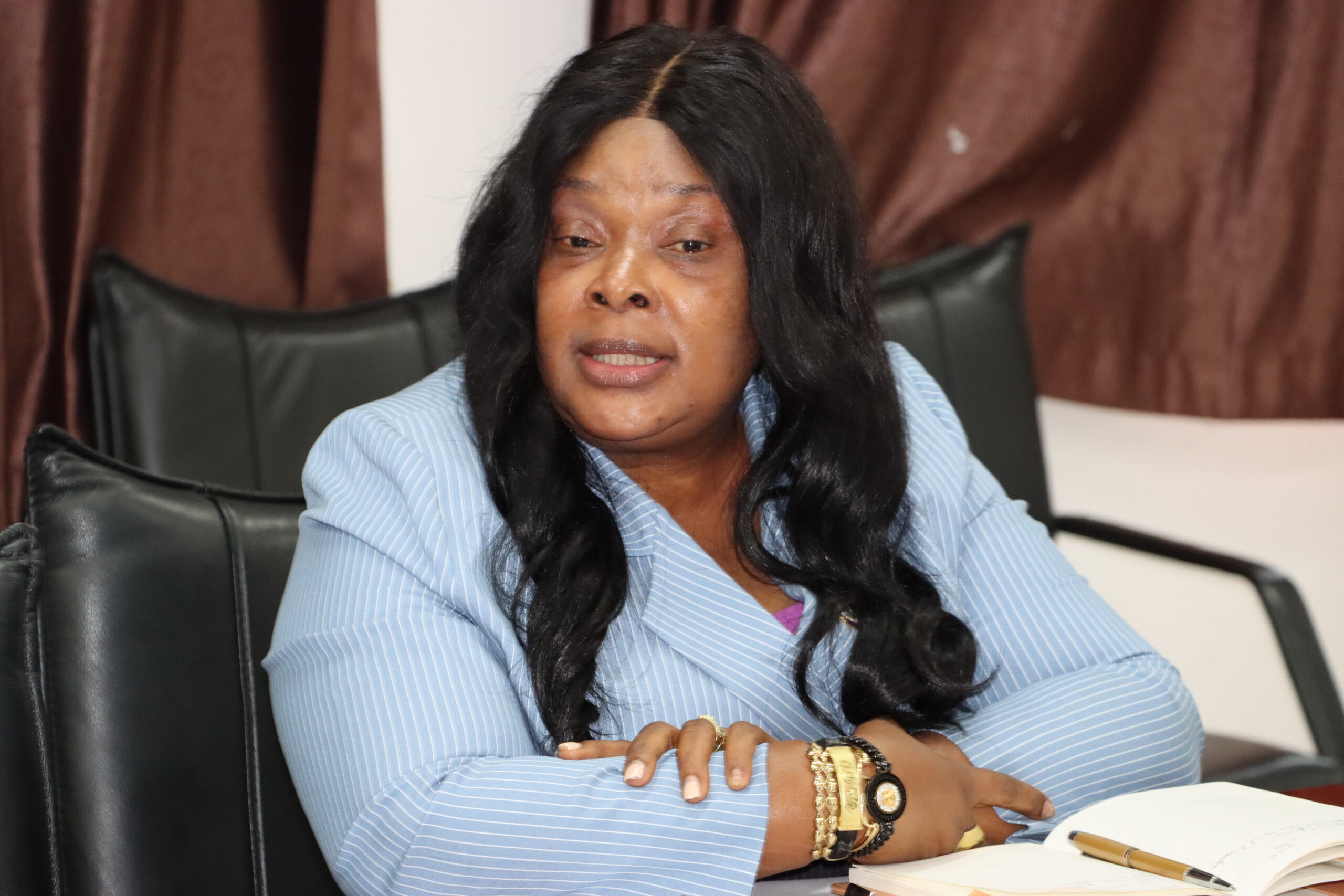
Bong County District #6 Representative Moima Briggs-Mensah has sounded a strong warning that Liberia may lose its best chance to end Female Genital Mutilation (FGM) if lawmakers fail to act now, as the long‑awaited FGM Bill remains stalled at the Legislature amid growing pressure from survivors, civil society, and human rights advocates.
Speaking Wednesday, February 4, at the Second National Policy Dialogue organized by the Ministry of Gender, Children and Social Protection (MGCSP), Rep. Briggs-Mensah urged swift action from legislators to pass the landmark draft law that would criminalize FGM.
“If the FGM bill cannot be passed now, I don’t think it will ever be passed in this country,” she said. “When I say now, I mean now. In 2027, I can’t openly campaign against FGM because I had to return to my people.”
The lawmaker revealed that her advocacy is personal, noting that she is herself a survivor of FGM.
“My passion is not because I can protect my own children. It is because other marginalized children deserve a law on the books to protect them,” she stated.
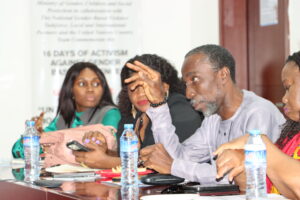
She praised President Joseph Nyuma Boakai for demonstrating political will on gender issues but stressed that lawmakers must now act.
In October 2025, President Boakai submitted the Women And Girls Protection Act to the National Legislature, a measure that goes beyond criminalizing FGM to address other harmful traditions such as child marriage and related practices. The proposed law seeks to outlaw female circumcision and establish penalties for violations while providing protection and support services for victims.
In his communication to the House Speaker, the President emphasized that the legislation reflects Liberia’s moral and legal obligation to protect the dignity, rights, and health of women and children, reaffirming the nation’s commitment to international human rights instruments such as the Convention on the Rights of the Child (CRC), the Convention on the Elimination of All Forms of Discrimination Against Women (CEDAW), and the Maputo Protocol. Following its submission, the bill was referred to key parliamentary committees, including those on Gender, Health, Internal Affairs, and Judiciary for careful review.
The bill has been widely welcomed by women’s groups and human rights advocates, who describe it as historic and long overdue. The Feminist Coalition of Liberia and partners urged lawmakers to approach their review with urgency and integrity to ensure the bill’s passage without dilution.
Esther Davis Yango, Executive Director of the Women NGO Secretariat of Liberia (WONGOSOL), also addressing the opening of the Policy Dialogue, described FGM as a crisis undermining the nation’s future.
“Imagine girls whose right to education has been denied because they were forcefully initiated into the Sande Society. This is deeply concerning,” Yango said, stressing that harmful practices continue to destroy opportunities for girls and young women.
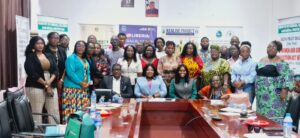
She added that the government must match the President’s political will with legislative action.
“The women of Liberia make up more than 50 percent of registered voters. They stood in the sun to elect lawmakers. Now we depend on them to put aside selfish interests and protect our girls,” Yango said.
Welcoming participants, Deputy Minister for Research, Policy and Planning, Curtis V. Dorley, speaking on behalf of the Gender Minister, said the dialogue was a collective call to action.
“This is not just a meeting, it is an opportunity for government, civil society, development partners, and communities to unite in shaping policies that strengthen protection systems and ensure that no woman or girl is left behind,” Dorley said.
He urged participants to engage the dialogue with openness, dedication, and firmness to shape Liberia’s future.
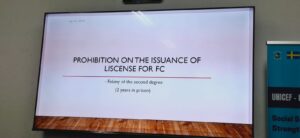
The second policy dialogue was part of Liberia’s National Policy Dialogue Platform, which was officially launched on May 30, 2024 under Component 4 of the Liberia Women Empowerment Project (LWEP) implemented by the MGCSP with support from the World Bank and partners.
The Policy Dialogue was established to support existing interventions on gender equality, women’s economic empowerment, and gender‑based violence, and to serve as a multi‑stakeholder space for reviewing and driving reforms to outdated or discriminatory laws that impede women’s rights and empowerment.
At the official launch held at the Ellen Johnson‑Sirleaf Ministerial Complex, Gender Minister Gbeme Horace‑Kollie said the platform aims to identify areas for policy reform and strengthen government leadership on gender‑related laws. Activities of the platform focus on key thematic areas including gender‑based violence, resilient livelihoods, climate change adaptation, and legal reforms.
The platform has since supported National Policy Dialogues that bring together lawmakers, civil society, development partners, and other stakeholders to discuss and strategize around pivotal legal instruments such as the FGM Bill, the Amended Elections Law, and the Women’s Legal Service Bill, all with the shared goal of advancing gender equality and women’s empowerment.
By: Alfred Morris
Leave a Reply